
The conflict between the United States, Iran, Israel, and regional allies continues to intensify, with fresh developments raising concerns about wider instability across the Middle East.
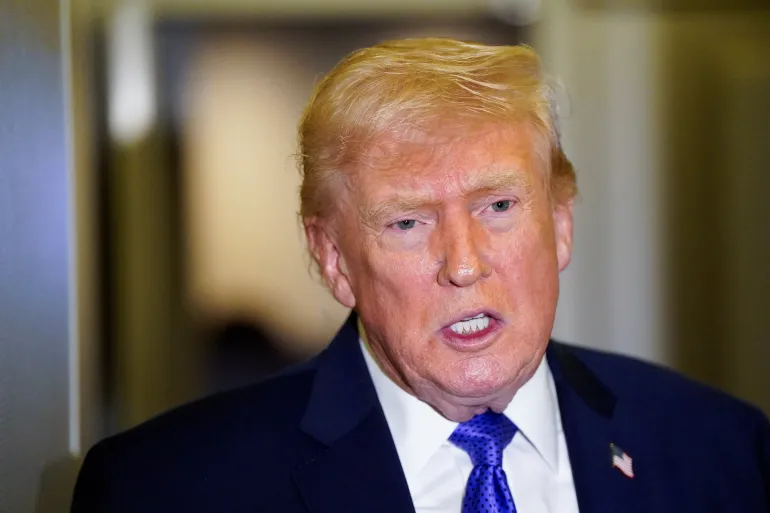
US President Donald Trump has warned that the United States could launch further military action against Iran, stating that Washington is prepared to respond “very hard” if tensions continue to escalate. The remarks come amid ongoing military confrontations and growing uncertainty surrounding regional security.
Trump Issues Strong Warning to Iran
Speaking to reporters, President Trump indicated that additional military operations remain under consideration. He also made controversial comments regarding Iran’s strategic oil infrastructure, including Kharg Island, a key hub responsible for handling a large portion of Iran’s oil exports.
The statements have triggered sharp reactions from Tehran, with Iranian officials condemning recent US military actions and accusing Washington of undermining diplomatic efforts.
Iran Condemns US Actions
Iran’s Foreign Ministry criticized the latest American strikes, claiming they have effectively weakened any remaining prospects for a ceasefire.
Iranian officials have repeatedly stated that they will respond firmly to any future attacks. Military leaders in Tehran have also warned that further escalation could lead to broader regional consequences.
Strait of Hormuz Remains a Major Concern
Global attention remains focused on the Strait of Hormuz, one of the world’s most important energy shipping routes.
Energy analysts warn that prolonged instability around the waterway could disrupt global oil supplies and impact international markets. Experts believe both the United States and Iran have strong economic incentives to keep the strategic route operational despite rising tensions.
Rising Tensions Across the Region
Beyond Iran, violence and military activity continue across several parts of the Middle East:
- Israeli military operations have expanded in parts of southern Lebanon.
- Hezbollah claims to have downed an Israeli drone in Lebanon.
- Civilian displacement continues to rise in conflict-affected areas.
- Humanitarian organizations have warned of worsening conditions for families forced to flee their homes.
International leaders, including United Nations Secretary-General Antonio Guterres, have called for restraint and renewed diplomatic efforts to prevent further escalation.
Global Markets Watching Closely
Investors and energy markets remain highly sensitive to developments in the region. Any disruption to oil exports or shipping routes could have significant consequences for global energy prices and international trade.
Analysts believe the coming days will be critical in determining whether diplomatic channels can reduce tensions or whether the conflict moves toward a broader regional confrontation.
What Happens Next?
While both sides continue to exchange warnings, uncertainty remains over the possibility of additional military action. Governments around the world are closely monitoring the situation, urging dialogue and peaceful resolution.
As events continue to unfold, NewzTrack will provide timely updates on developments affecting the Middle East and global markets.
Stay connected with NewzTrack for the latest breaking news, analysis, and international updates.